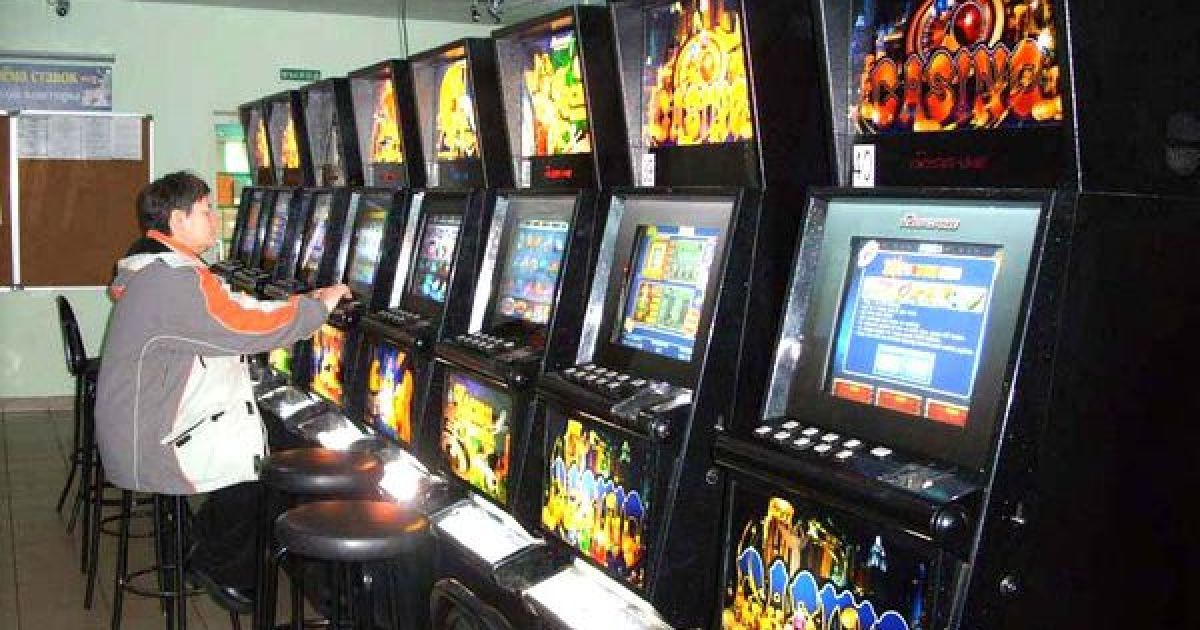
Understanding Responsible Gambling
Responsible gambling refers to the practice of gambling in a way that ensures both the enjoyment of the activity and the minimization of potential harm. It involves recognizing one’s limits, understanding the odds of games, and ensuring that gambling remains a source of entertainment rather than a financial burden. For those interested in exploring various cultural perspectives on gaming, intoglobalrhythms.org provides insights that highlight how different societies view gambling practices, which can lead to problematic behaviors.

Education plays a vital role in responsible gambling. Players should familiarize themselves with the rules of each game, including the odds of winning and the inherent risks involved. For instance, games like poker require a combination of skill and chance, while slot machines rely entirely on luck. Understanding these distinctions can help players set realistic expectations and avoid the pitfall of chasing losses, which can lead to impulsive decisions.
Another critical aspect of responsible gambling is self-awareness. Gamblers should evaluate their behavior regularly and ask themselves whether they are still enjoying the experience. Signs of compulsive gambling may include spending more time and money than intended, neglecting relationships or responsibilities, or feeling anxious when not gambling. Recognizing these signs early can lead to timely interventions and help maintain a healthy approach to gaming.
Setting Personal Limits
Establishing personal limits is essential for anyone engaging in gambling activities. These limits should encompass both time and money. For example, a player might decide that they will only gamble for a set number of hours per week or allocate a specific budget that they can afford to lose. By adhering to these limits, players can enjoy the thrill of the games while avoiding the financial pitfalls that can arise from excessive gambling.
Moreover, players should consider using tools such as deposit limits or session reminders, which many casinos offer. These features can help players stay accountable and within their established limits. For instance, setting a timer to alert oneself when it’s time to take a break can prevent prolonged gaming sessions that might lead to poor decision-making and increased losses.
It is also wise for gamblers to plan their gaming experiences. Planning includes not just the financial aspect but also the emotional readiness to gamble. A player who is feeling stressed or emotional may be more prone to make impulsive decisions. By ensuring that they are in the right mindset, gamblers can enjoy their time without leading themselves into problematic situations.
Recognizing Signs of Problem Gambling
Recognizing the signs of problem gambling is crucial for maintaining a responsible gambling approach. Common indicators may include increasing bets in hopes of recovering losses, borrowing money to gamble, or feeling irritable when not gambling. Understanding these symptoms can empower individuals to seek help before their gambling behavior escalates into more severe issues.
Additionally, it’s important to distinguish between recreational gambling and harming behaviors. Recreational gamblers enjoy their time at the casino without adverse effects, while individuals who struggle may find that gambling negatively impacts their finances, relationships, and mental health. Awareness of these differences can aid in self-assessment and highlight when it may be time to reach out for support.
Support systems play a vital role in combating problem gambling. Encouraging individuals to share their experiences with trusted friends or family members can create a safety net. Many also benefit from professional counseling or support groups that focus on gambling addiction. These platforms offer a space for individuals to discuss their challenges and develop healthier habits around gambling.
Utilizing Casino Resources for Support
Many casinos today recognize the importance of responsible gambling and have implemented various resources to support players. These include informational materials about gambling addiction, hotlines for immediate assistance, and self-exclusion programs that allow individuals to voluntarily restrict their access to gambling activities. Familiarizing oneself with these resources can provide significant support for responsible gambling practices.
Casinos often employ trained staff to assist individuals who may be experiencing difficulties with their gambling habits. These professionals can provide guidance on available resources and help gamblers navigate their concerns. Being proactive and reaching out for help is a crucial step for anyone who senses that their gambling is starting to affect their life negatively.
Moreover, casino websites typically feature sections dedicated to responsible gambling. These sections outline the importance of staying within one’s limits and provide tools designed for self-assessment. Players are encouraged to explore these features as they can offer valuable insights and create a more positive and controlled gambling environment.
Staying Informed and Engaged with Responsible Gambling Practices
Staying informed about responsible gambling practices is essential in today’s rapidly evolving gambling landscape. Regularly accessing educational resources and updating oneself on new strategies for maintaining a healthy gambling habit can be incredibly beneficial. Many organizations focused on gambling education provide workshops, webinars, and articles that empower players to make informed decisions.
Engagement with gaming communities can also enhance awareness and foster a sense of accountability. By participating in forums or discussion groups dedicated to responsible gambling, individuals can share experiences, strategies, and support one another in fostering a healthy gambling environment. This sense of community can be a powerful motivator for adhering to responsible practices.
Ultimately, casinos themselves are evolving to promote responsible gambling. Many establishments actively engage in campaigns that raise awareness about the risks of gambling. They encourage patrons to take breaks, reflect on their experiences, and use available resources to maintain a balanced approach to gaming. This collaborative effort ensures that responsible gambling remains at the forefront of the casino experience.